
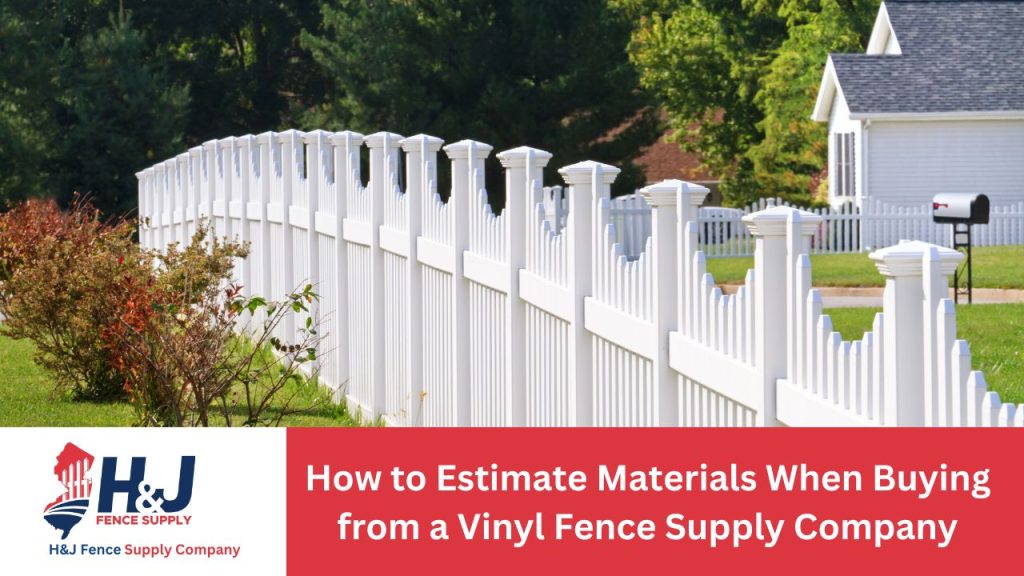
How to Estimate Materials When Buying from a Vinyl Fence Supply Company
Estimating materials for a vinyl fencing project is one of the most critical steps before purchasing from a vinyl fence supply company. Whether you’re a homeowner planning a DIY project or a contractor managing multiple installations, accurate material planning ensures that your project stays on track, avoids delays, and prevents costly overordering or shortages.
Vinyl fence systems are modular, consisting of panels, posts, rails, caps, gates, and hardware. Every property layout requires its own material takeoff, and understanding how these pieces fit together is key to building a strong, attractive fence.
This guide provides a clear, step-by-step approach to estimating materials for vinyl fencing—complete with examples, tables, and field-tested insights to help you plan smarter.
Why Accurate Estimation Matters
Failing to calculate the correct number of panels, posts, and hardware can cause issues mid-project. Running out of materials means halting work while waiting on reorders—especially if certain styles or colors are out of stock. On the other hand, overestimating can lead to unnecessary expenses and leftover materials that may not be returnable.
A proper estimate helps you:
- Order the exact quantity of each component
- Maintain consistency in style and color
- Avoid waste or installation delays
- Stay within your project scope
Key Components in a Vinyl Fence System
Understanding the core materials involved will make estimating easier. Here’s a breakdown of what’s typically needed:
Component | Function | Notes |
Panels | Main fencing sections between posts | Style determines size and privacy level |
Posts | Structural supports (line, corner, end) | Type depends on panel layout |
Rails | Horizontal elements that hold panels | Often included in pre-assembled panels |
Caps | Decorative or functional post toppers | Options include flat, gothic, or New England styles |
Gate Kits | Pre-sized openings for access points | Includes frame, hardware, and often reinforcements |
Hardware | Screws, brackets, fasteners | Must match the system’s dimensions and strength |
Concrete | Used to anchor posts securely in ground | One bag per post (minimum recommended) |
Step-by-Step: Estimating Vinyl Fence Materials
Use the steps below to create a full material estimate for your fence project. These steps apply to straight-line fencing or fenced enclosures (yards, side lines, etc.).
1. Measure Your Fence Line
Use a measuring tape or wheel to measure the total length of the fence line. Break it down by straight runs, corners, and gate locations. Create a basic sketch of your property if needed.
Example:
- Rear line: 60 ft
- Left side: 40 ft
- Right side: 40 ft
- Front line: 60 ft (with a 4-ft gate)
Total linear footage: 200 ft
2. Determine Panel Width
Vinyl panels are commonly sold in standard widths—most often 6 feet or 8 feet wide. Confirm with your vinyl fence supply company which panel widths are available.
To find how many panels you need:
- Divide total footage by panel width
- Round up to the next whole number
Using 6-ft panels:
200 ÷ 6 = 33.33 → 34 panels
3. Calculate Posts
You’ll need one post per panel plus one extra for the end. However, the type of post depends on its location:
Post Type | Placement |
Line Post | Between each panel in a straight line |
Corner Post | At every change in fence direction |
End Post | At the end of a run |
Gate Post | On each side of a gate |
Post Example (34 panels, 3 corners, 1 gate):
- Line posts: 30
- Corner posts: 3
- End posts: 2
- Gate posts: 2
- Total: 37 posts
4. Count Post Caps
Each post needs a cap. Choose from flat, decorative, or specialty styles.
Total caps needed: Equal to total number of posts
In this case: 37 caps
5. Add Gate Kits
Determine how many gates you need and what width. Measure any vehicle or pedestrian access points and match them with available gate sizes from your vinyl fence supply.
- 1 gate (4 ft wide)
- Order 1 gate kit with included hinges, latch, and reinforcement
6. Plan for Concrete
To secure your fence posts, use concrete in each hole. The standard recommendation is:
- One 50–60 lb bag per post (for 4″ x 4″ posts, 2’ deep holes)
Concrete bags needed:
37 posts = 37 bags minimum
Note: This varies by soil type, frost line, and post size.
Visual Summary Table (Sample Estimation)
Material | Quantity | Notes |
Vinyl Panels | 34 | 6′ wide, privacy style |
Posts | 37 | Mix of line, corner, end, gate |
Post Caps | 37 | Flat style selected |
Gate Kits | 1 | 4′ pedestrian gate |
Hardware | Included | Screws, brackets, inserts |
Concrete Bags | 37 | One per post hole |
Additional Tips for Accurate Estimating
- Account for obstacles: Trees, slopes, or uneven terrain may require adjustments. Discuss these with your supplier.
- Leave room for error: It’s smart to add 1–2 extra panels and posts to account for mistakes or unexpected adjustments.
- Check regulations: Fence height and layout may be restricted by local zoning or HOA guidelines.
- Request layout support: Some vinyl fence supply companies offer takeoff services based on property sketches or digital plans.
Common Mistakes to Avoid
Avoiding these errors will help keep your project on schedule and on budget:
Misjudging Panel Count
Using rough estimates rather than exact measurements often results in material shortages.
Forgetting Gate Hardware
Gate kits often include the frame, but not always the latch and hinges. Always confirm what’s included.
Overlooking Slope Adjustments
If your yard isn’t level, racking panels may be required—or additional parts may be needed for step installation.
Ignoring Post Depth
Posts set too shallow won’t hold over time. Be sure to factor in proper footing depth, especially in frost zones.
When to Get Help with Material Estimating
If you’re unsure about your calculations or working on a larger project, consult with a vinyl fence supply specialist. Reputable suppliers can help translate your layout into a precise material list, reducing errors and giving you confidence before placing an order.
Bring a drawing of your fence layout, measurements of each run, and details like gate sizes and slope. This allows the supplier to make informed recommendations and ensure compatibility across all components.
Conclusion: Count on H&J Fence Supply Company for Vinyl Fence Material Planning
At H&J Fence Supply Company, we help homeowners take the guesswork out of vinyl fencing. Our experienced team provides expert material takeoffs, layout advice, and premium-quality vinyl fence supplies that fit your specific property and style preferences. Whether your project is simple or complex, we’ll guide you through the estimating process and make sure you have everything you need for a smooth and successful installation. Contact us today to start planning your vinyl fence with confidence.